Zanzibar Conservation & Breeding Program.
Conservation across Zanzibar focuses on habitat protection, anti-poaching, and species recovery through a growing breeding program centered on native duiker populations.
A controlled environment for species recovery.
Across Zanzibar, conservation operates on a different scale — smaller, more controlled, and focused on restoring specific species under pressure.
This work includes protected areas bordering Jozani National Park and Juja Island, where habitat protection and anti-poaching are combined with active wildlife management.
What this work looks like on the ground.
Daily work across Zanzibar is hands-on and continuous — focused on protection, monitoring, and controlled management of small, vulnerable populations.
Anti-poaching operations in Zanzibar.
Across Zanzibar, dedicated anti-poaching teams operate daily within three conservation areas.
18 full-time anti-poaching personnel
Coverage across forest and protected areas
Operations focused on preventing illegal hunting and habitat pressure
This presence supports both habitat protection and the success of ongoing breeding and species recovery efforts.
Juja Island Breeding Program.
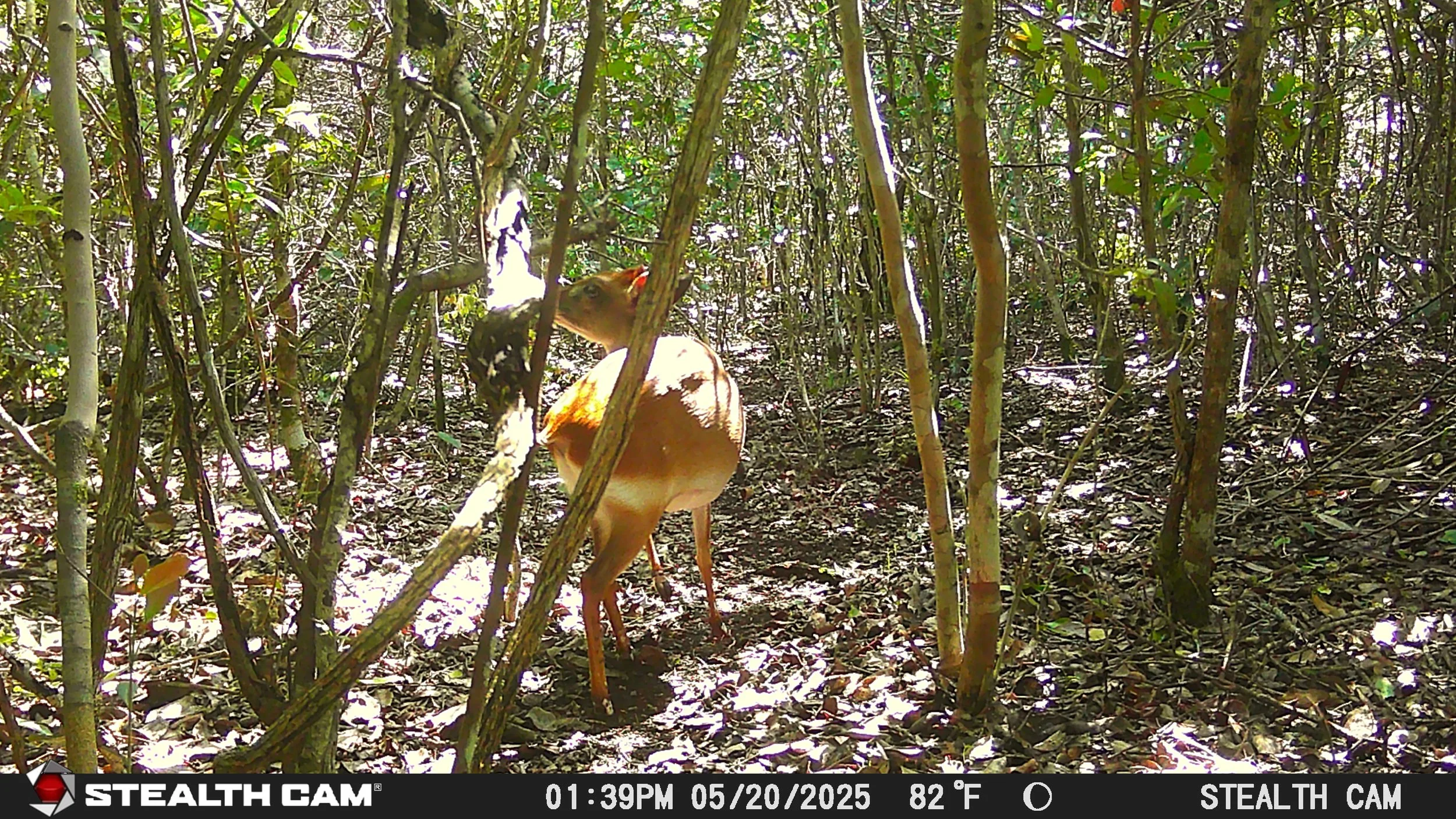
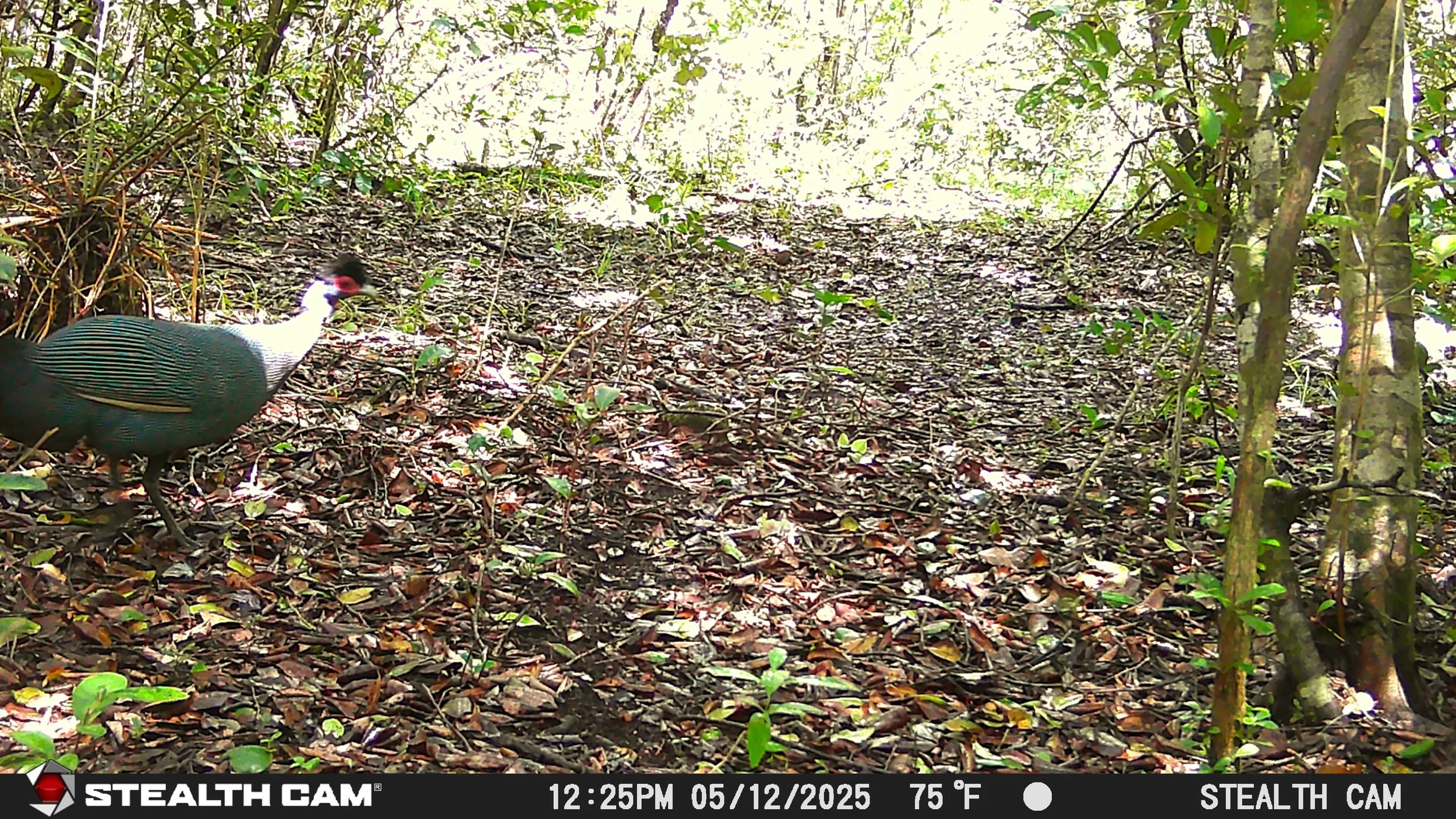
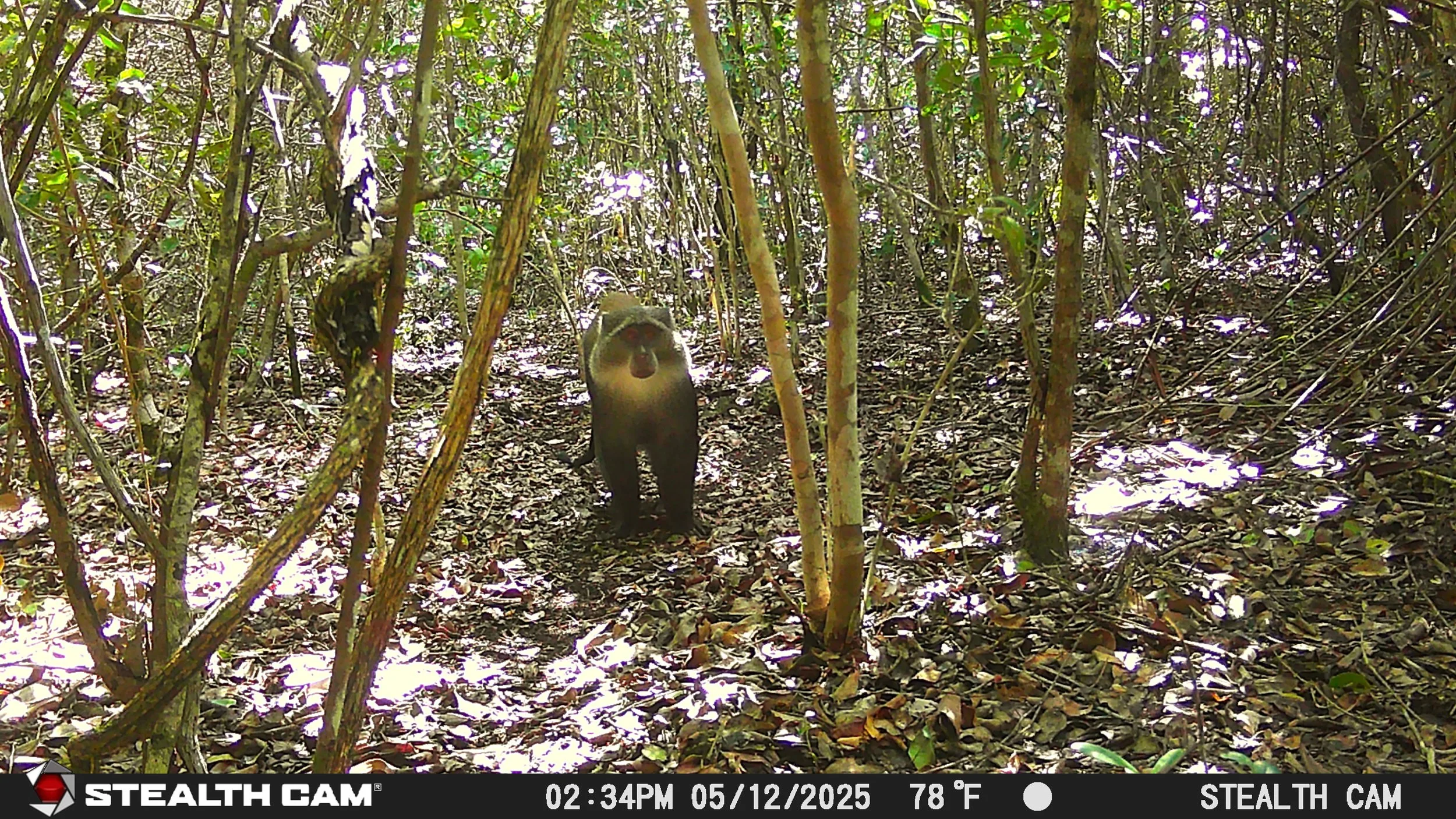
Juja Island provides a natural breeding environment without the need for fencing. Existing populations of Zanzibar Suni and Blue Duiker are already present on the island. In July 2025, Aders’ duiker were introduced. Early results have been strong — the animals are regularly recorded on trail cameras, and breeding has already taken place.
Three concrete water stations have been installed to support the population, with consistent use observed. This controlled environment allows for steady population growth before animals are translocated into protected sanctuary areas.
Why This Matters.
Aders’ duiker populations have declined significantly over recent decades, with estimates dropping by over 80% in some areas.
Habitat loss, deforestation, and pressure from human activity continue to reduce viable forest ecosystems across Zanzibar.
Without protected breeding environments and active management, small populations remain at risk.
What comes next.
Expand breeding population
Produce consistent annual population growth
Establish protected sanctuary areas in Charawe and Ukongoroni
Translocate surplus animals from Juja Island
Support long-term conservation through eco-tourism and sustainable use
This approach allows controlled population growth before animals are reintroduced into protected habitat.