Community & Water Projects.
Conservation only works if pressure on the land is reduced. These projects reduce pressure on protected land while supporting surrounding communities.
Reducing pressure on protected land.
In remote areas like Moyowosi and surrounding regions, communities rely on the same land for water, grazing, and resources. Without alternatives, this leads directly to habitat loss, illegal grazing, and poaching.
Conservation here depends on practical solutions — not just enforcement.
Providing access to water, employment, and infrastructure reduces the need to enter protected areas and supports long-term stability.
This is direct, practical support in areas where pressure on wildlife is highest.
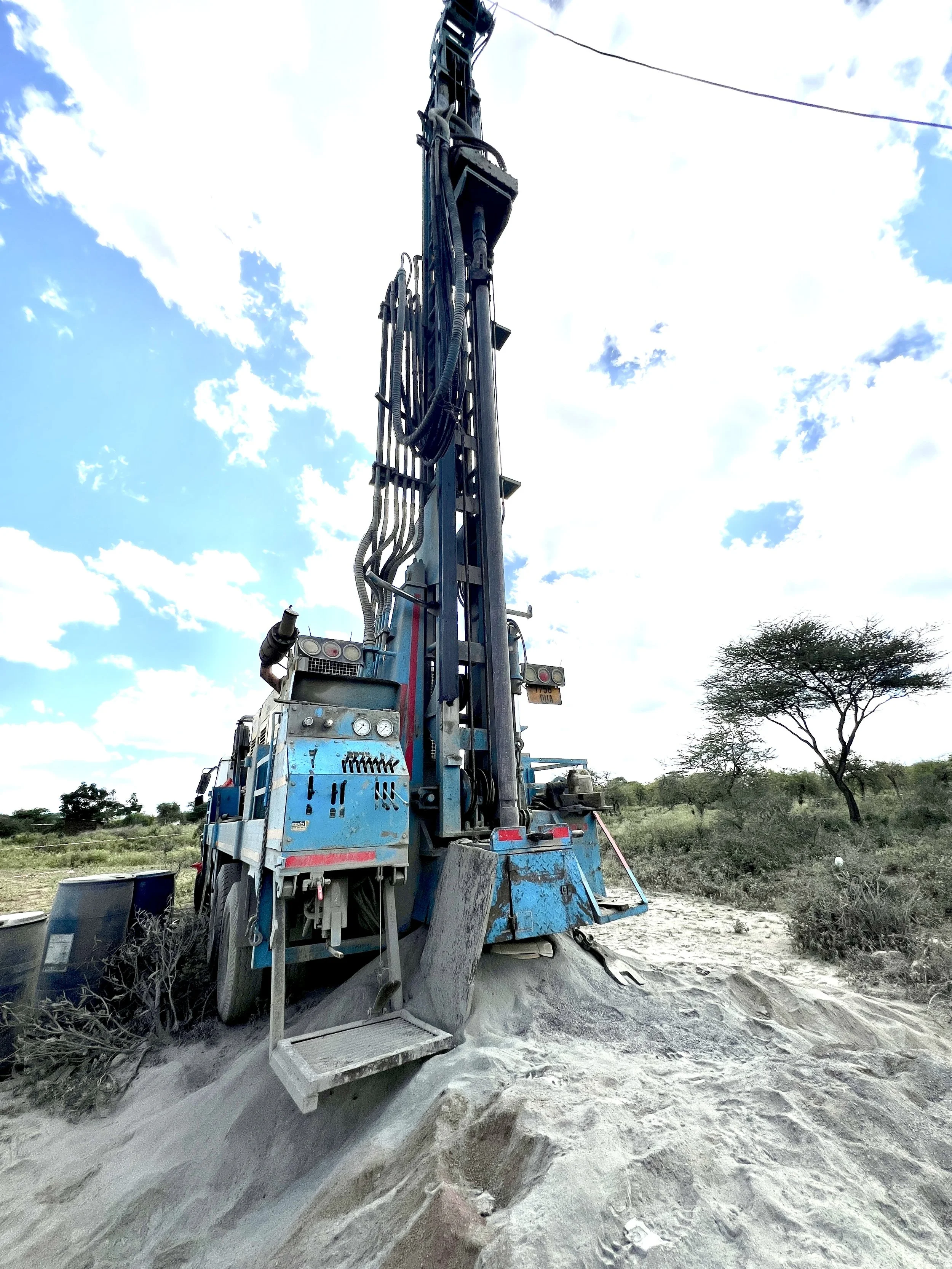
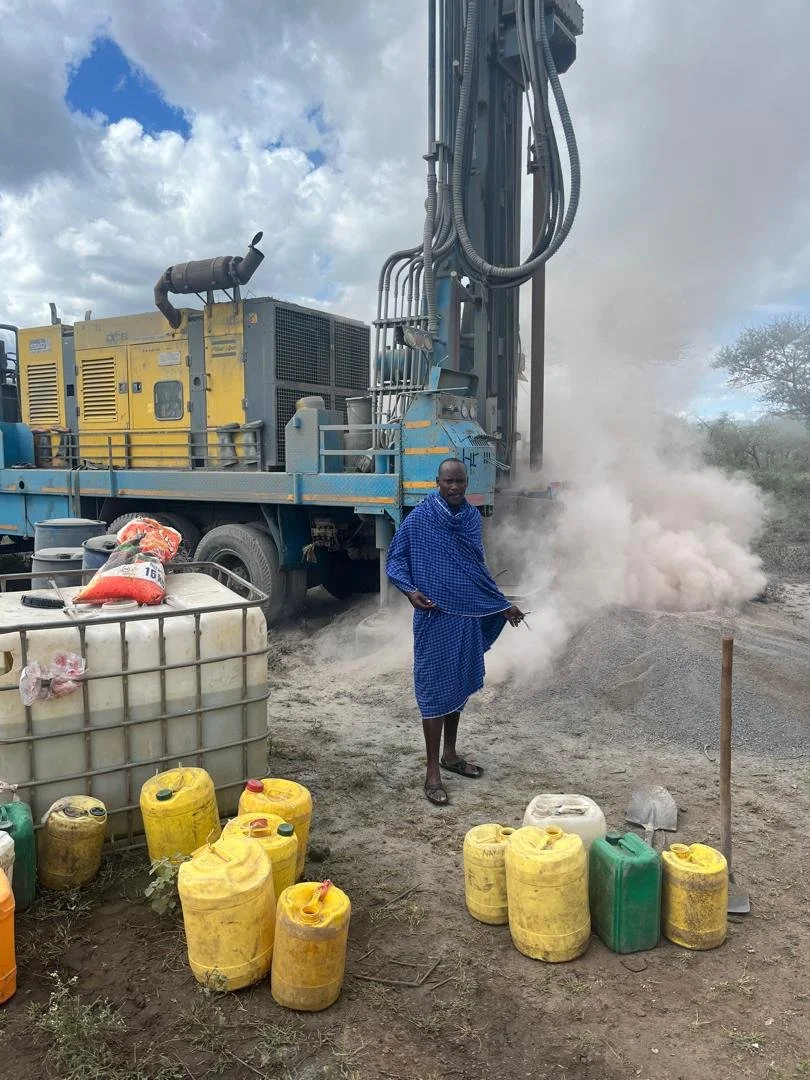
Borehole drilling and water access projects
Local employment within anti-poaching and operations
Support for schools, clinics, and basic infrastructure
Ongoing engagement with villages bordering conservation areas
What this work looks like on the ground.
Why This Matters.
Conservation does not happen in isolation. Tanzania has one of the fastest-growing human populations in the world. Communities and wildlife compete for the same land, water, and resources.
Without support, protected areas are gradually encroached — through grazing, timber cutting, and subsistence hunting.
Reducing that pressure is what allows wildlife populations to recover and remain stable over time.
These efforts directly strengthen anti-poaching and habitat protection by addressing the root causes of illegal activity. When communities benefit from conservation:
Reliance on protected land decreases
Illegal activity decreases
Long-term protection becomes possible
This is what allows patrols, research, and wildlife recovery efforts to succeed.
Real Impact.
Part of a broader approach.
Anti-poaching, habitat protection, and community support are not separate efforts. They operate together.
Long-term conservation depends on maintaining this balance — protecting wildlife while supporting the people who live alongside it.