Holding the line for Tanzania’s wild places.
Conservation happens through daily anti-poaching patrols, research, and constant presence across one of Tanzania’s most remote ecosystems.
A vast & vulnerable ecosystem.
Adam Clements Wildlife Conservation operates across roughly 10,000 square kilometers in Tanzania’s Moyowosi Game Reserve, Zanzibar and Lake Natron North — a remote floodplain of rivers, swamps, and woodland. It is one of the last intact wetland ecosystems in East Africa. Elephant, hippo, sitatunga, and large predators still exist here — but only under constant pressure.
When protection increases, wildlife returns.
Without protection, it disappears.
Livestock is pushed into the reserve for grazing
Illegal fishing spreads across the river
Timber is cut
Snares are set
How we protect it.
365 days a year of anti-poaching patrols
Boat patrols across river systems
Vehicle and foot patrols
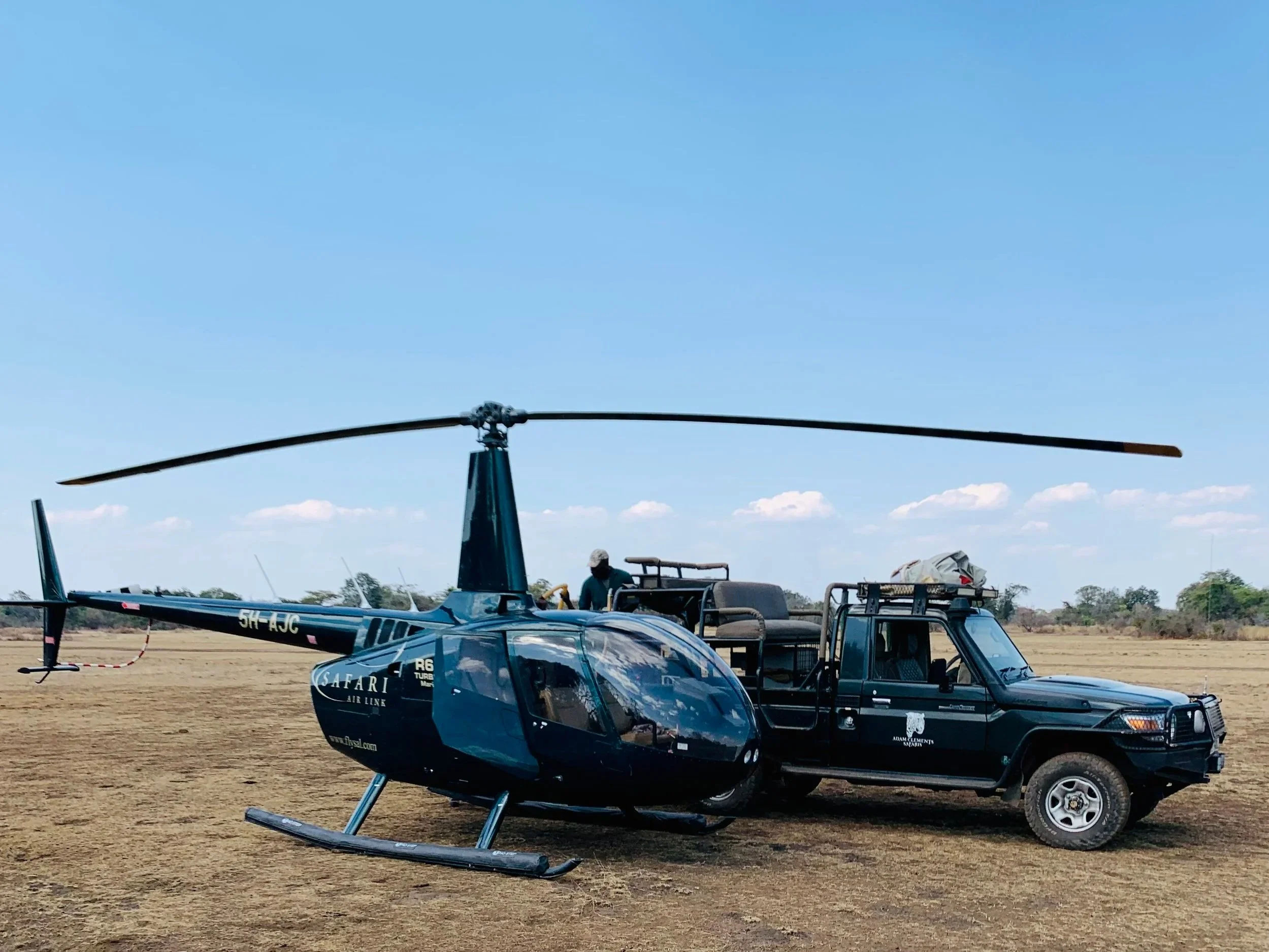
Helicopter support
Road building
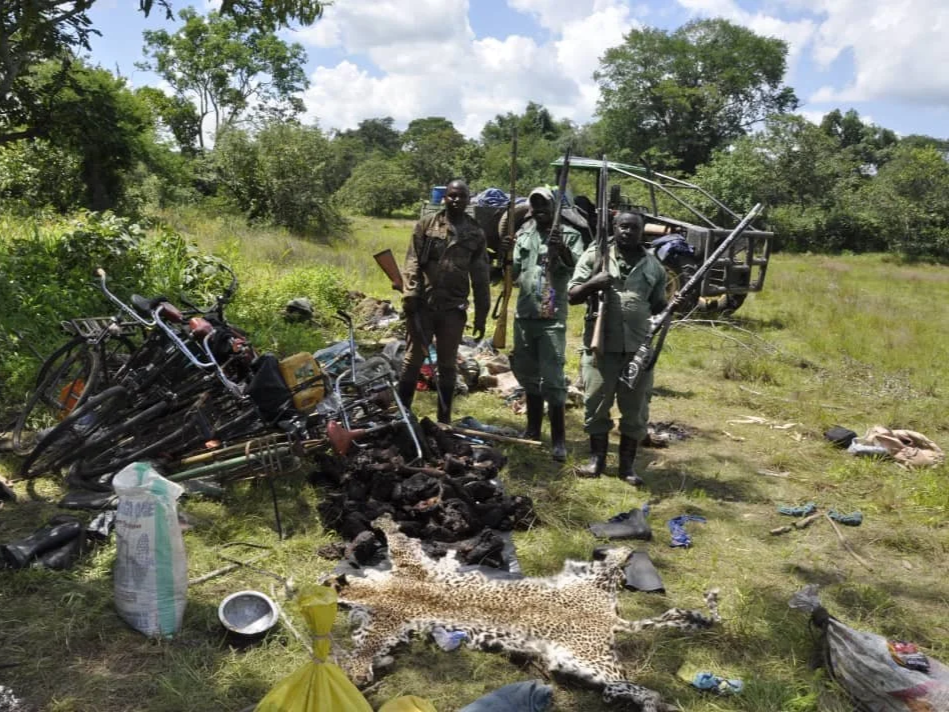
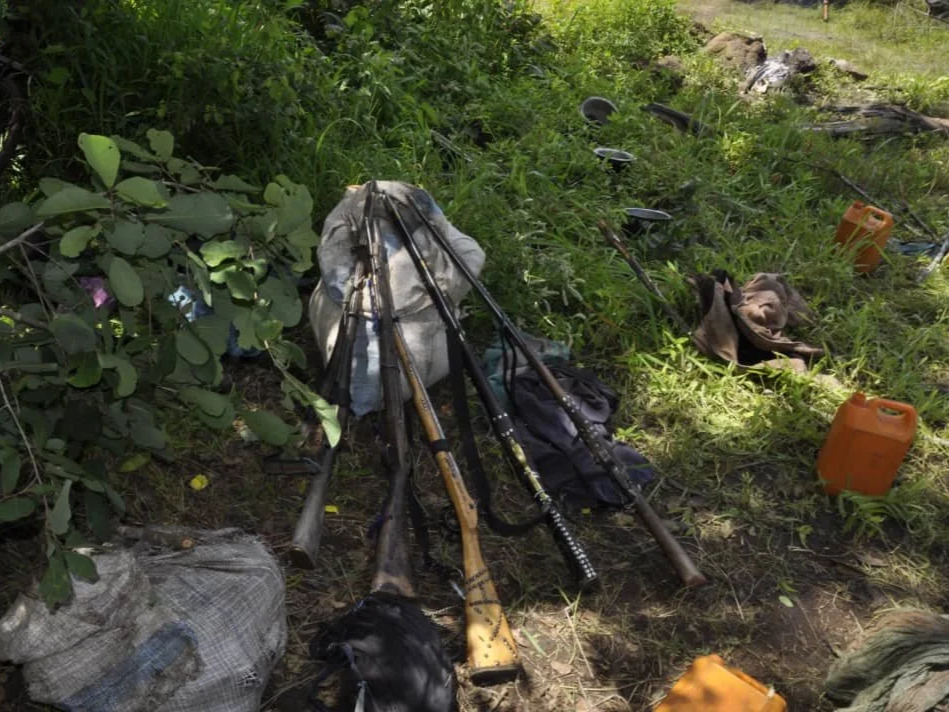
What this work looks like on the ground.
This is daily work across a remote, difficult landscape. Patrol teams operating on foot, by boat, and by air. Illegal activity removed. Access opened. Presence maintained.
Additional Conservation Work.
Protection here goes beyond patrols. Long-term success depends on reducing pressure on land, supporting communities, and restoring key species.
Boreholes, local employment, and infrastructure projects support surrounding communities and reduce reliance on protected land.
Anti-poaching operations and a growing breeding program focused on restoring native species like the Aders’ duiker.